
← All insights

Automating handwritten forms and records in Hong Kong: what are the options?

By ThinkColPublished Last reviewed
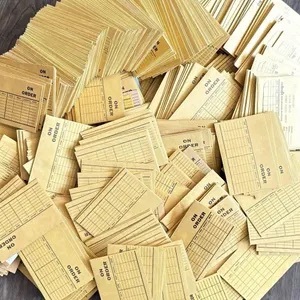
A pile of handwritten paper order forms

What does the AI do?

It reads a scan or photo of the page, finds the fields you need (a name, a date, an amount) and puts them into your system. Staff then check the results instead of typing everything by hand.

Three ways to read handwriting

  • Standard text recognition (OCR): works well on printed text. It often struggles with handwriting, especially handwritten Chinese.
  • AI that reads the page image: newer AI models can read many handwritten pages without special training. Test them on your own forms first.
  • A model trained on your documents: suits unusual layouts, old records or handwriting that general tools cannot read.

Whichever you choose, we suggest keeping a checking step for the fields the system is least sure about.

Four questions to ask before you start

  1. How much of the form is handwritten, and in which languages? Collect a sample of real forms, including the messy ones.

  2. Which fields do you need? Many projects only need a handful of fields from each page.

  3. Who checks the results, and how are corrections used? Ask whether staff corrections can be fed back so the system improves over time.

  4. Where is the data processed? Forms often hold personal data, so Hong Kong's Personal Data (Privacy) Ordinance is likely to apply. Involve your compliance team early.

Example: a Hong Kong government department

  • Before: historical legal records, such as land grants, held names, addresses and passport numbers. This personal data had to be hidden before the records went to other departments.
  • The problem: open-source text recognition tools could not read the handwritten Chinese reliably.
  • What ThinkCol built: a system that uses a custom-trained model to read the records and hide the personal data, plus a review tool so staff can check and correct the results.
  • Today: the department still uses the system before records are distributed.

Frequently asked questions

Can AI read handwritten Chinese?
Yes, but results depend on the handwriting and the tool. In the government project above, open-source tools could not read the handwritten Chinese reliably, so ThinkCol trained a custom model. Test any tool on your own forms before you commit.

Will we still need staff?
Yes, but for checking rather than typing. Staff review the fields the system is unsure about and fix any mistakes.

What is a good first step?
Pick one form type with high volume. Test a few tools on a sample of real forms and compare the results field by field.


Have a pile of handwritten forms to process? Talk to our team.

Other Insights

Contact Us

Ready to Build Your AI Solution?

Tell us about your goals and our team will get back to you.